
How Hospitals Reduce Medication Errors:
A Systems-Based Approach
Medication errors are rarely the result of a single mistake. In hospital environments, errors typically occur when complex, high‑volume processes rely too heavily on manual steps, visual memory, or inconsistent workflows. Reducing medication errors requires hospitals to design systems that assume human fallibility and actively prevent errors before they reach the patient.
The most effective hospitals focus on three core principles: standardization, automation, and verification. Standardization reduces variation, automation reduces manual handling, and verification ensures errors are caught early. These principles are applied across packaging, labeling, dispensing, and administration.
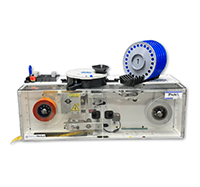
Automated unit‑dose packaging is a foundational control point. When medications are packaged manually, variability in dose, label placement, and packaging integrity increases risk. Automated systems such as iPackRx allow hospital pharmacies to produce consistent, patient‑ready doses at scale, reducing reliance on repetitive manual tasks.
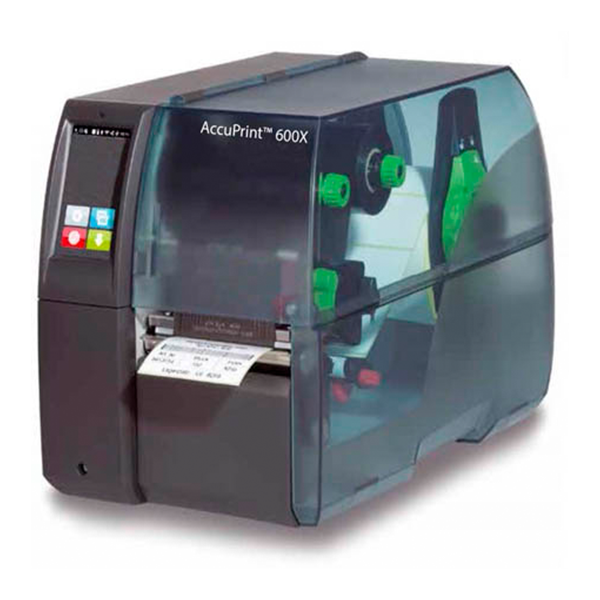
Labeling is the second critical safety layer. Poor contrast, crowded layouts, or inconsistent formatting increase cognitive load for nurses and pharmacists, especially in high‑stress environments. High‑resolution printing systems like AccuPrint 600X support standardized label formats that clearly display drug name, strength, lot number, and expiration date, all of which are essential for bedside verification.
Visual safety cues further reduce risk. Auxiliary indicators such as Multi‑Flags draw attention to high‑alert medications, storage requirements, or administration warnings, helping prevent look‑alike and sound‑alike errors.
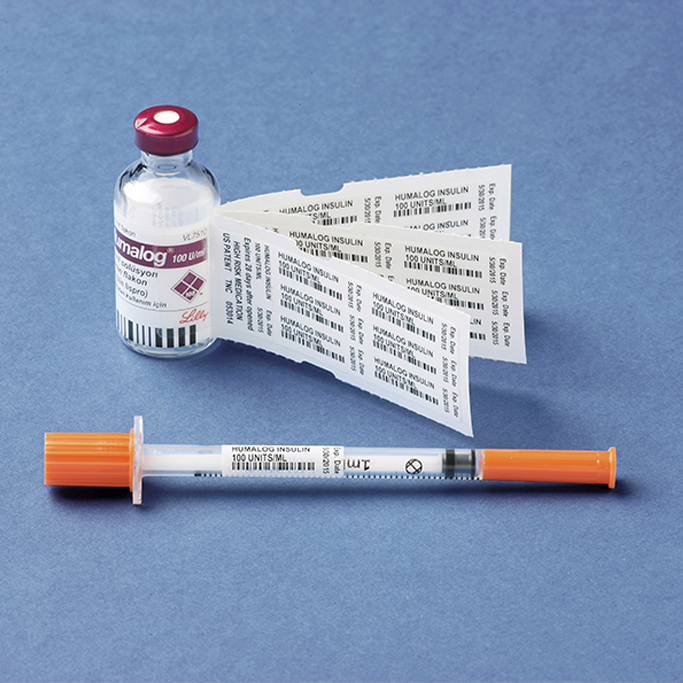
When these elements are integrated with barcode medication administration, hospitals create a closed‑loop medication system that reduces preventable harm, improves regulatory compliance, and supports staff confidence.